


What Are GFCI and AFCI — And What’s the Difference?

If you’ve looked inside your electrical panel or at certain outlets in your home, you’ve probably seen the terms GFCI and AFCI. They’re both safety devices—but they protect you in completely different ways.
Understanding the difference is critical, especially under CEC 2024 requirements in Canada.

What Is a GFCI?
A Ground Fault Circuit Interrupter (GFCI) protects people from electric shock.
It constantly monitors the current flowing in the hot and neutral wires. If it detects even a small imbalance (as low as 5 mA), it shuts off power instantly.
Where GFCIs Are Used:
Bathrooms
Kitchens
Garages
Outdoor outlets
Anywhere near water
What It Protects Against:
Electric shock
Ground faults (electricity leaking to ground)
👉 Typical example:If a hairdryer falls into water, a GFCI trips immediately to prevent serious injury.
What Is an AFCI?
An Arc Fault Circuit Interrupter (AFCI) protects your home from electrical fires.
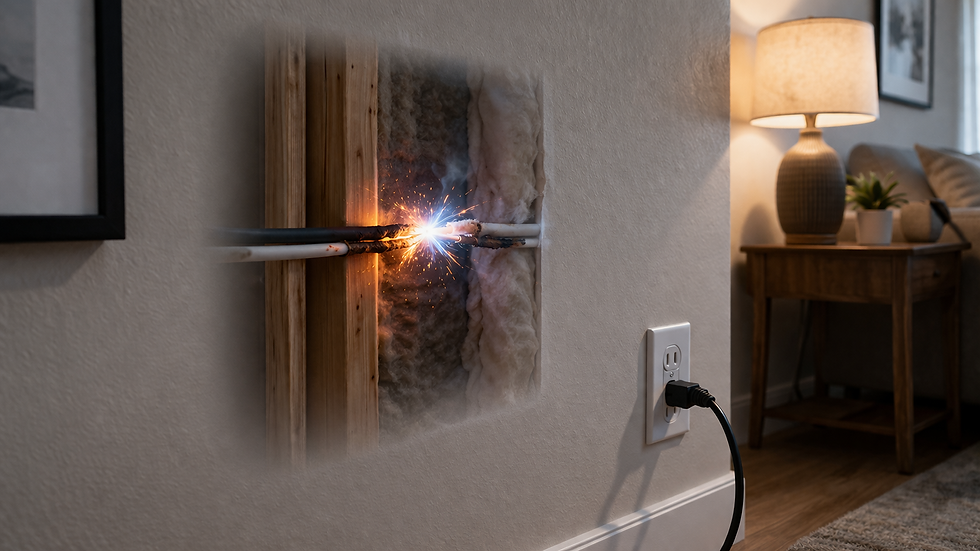
It detects dangerous electrical arcing—tiny sparks caused by damaged wires, loose connections, or worn insulation—and shuts off the circuit before a fire can start.
Where AFCIs Are Required:
Bedrooms
Living rooms
Hallways
Most general living areas
What It Protects Against:
Electrical fires
Hidden wiring damage
Loose or deteriorated connections
👉 Typical example: A damaged wire inside a wall starts arcing. An AFCI detects this and trips before it turns into a fire.
Key Differences (Simple Breakdown)
Feature | GFCI | AFCI |
Main Purpose | Protect people | Prevent fires |
Detects | Ground faults | Arc faults |
Trip Sensitivity | Very small leakage (≈5 mA) | Abnormal electrical patterns |
Common Locations | Wet areas | Living spaces |
Do You Need Both?
Yes—in many cases, both protections are required.
Modern electrical codes often require:
AFCI protection for most circuits
GFCI protection where water is present
In some installations, you’ll see dual-function breakers that combine both protections into a single device.
When to Upgrade
You should consider upgrading if:
Your panel is older and lacks AFCI breakers
You’re renovating or adding new circuits
You want to improve safety beyond the minimum code
Bottom Line
GFCI = protects YOU from shock
AFCI = protects your HOME from fire
Both are essential layers of protection in a modern electrical system.
To see if your outlets and system are protected by any GFCI or AFCI protecting device, you can read this article or contact us to assess your home wiring.


Comments